
Arid Zone Research ›› 2025, Vol. 42 ›› Issue (11): 2093-2103.doi: 10.13866/j.azr.2025.11.12
• Ecology and Environment • Previous Articles Next Articles
ZHOU Wenhui1( ), XU Caiyan2()
Received:2025-05-15
Revised:2025-07-25
Online:2025-11-15
Published:2025-12-13
Contact:
XU Caiyan
E-mail:zhouwenhui@qzc.edu.cn;sbxcy9312@163.com
ZHOU Wenhui, XU Caiyan. Coupled coordination level measurement and interaction response analysis of new quality productivity and ecological resilience in the Yellow River Basin[J].Arid Zone Research, 2025, 42(11): 2093-2103.
Add to citation manager EndNote|Reference Manager|ProCite|BibTeX|RefWorks
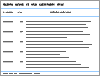
Tab. 1
Evaluation index system of ecological resilience and new quality productivity in the Yellow River Basin"
| 目标层 | 准则层 | 指标层 | 属性 |
|---|---|---|---|
| 新质生产力 | 新型劳动者 | 技术研发人员数 | + |
| 新兴产业人员总数 | + | ||
| 新型劳动对象 | 可再生能源发电比重 | + | |
| 可再生能源利用效率 | + | ||
| 新材料产业产值 | + | ||
| 特高压输电线路数 | + | ||
| 新型劳动资料 | 互联网宽带接入端口数 | + | |
| 移动用户数 | + | ||
| 数据交易所数量 | + | ||
| 工业机器人安装密度 | + | ||
| 生态韧性 | 抵抗力 | 森林覆盖率 | + |
| 建成区绿化覆盖率 | + | ||
| 人均公园绿地面积 | + | ||
| 人均水资源量 | + | ||
| 适应力 | 二氧化硫排放量 | - | |
| 万元GDP水耗 | - | ||
| 万元GDP能耗 | - | ||
| 恢复力 | 城镇生活污水处理率 | + | |
| 水土流失治理面积 | + | ||
| 工业固体废物综合利用率 | + | ||
| 工业污染治理投资 | + |
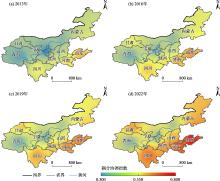
Fig. 1
Temporal evolution and spatial distribution characteristics of the coupling coordination degree between new quality productivity and ecological resilience in the Yellow River Basin"

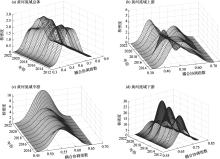
Fig. 2
Trend of coupled and coordinated dynamic evolution of the overall, upstream, midstream, and downstream neoplastic productivity and ecological resilience in the Yellow River Basin"

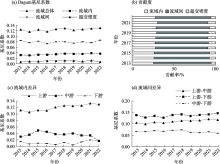
Fig. 3
Evolutionary trend of regional differences in the coupled coordination of neoplastic productivity and ecological resilience in the Yellow River Basin during 2013-2022"

Tab. 2
Optimal lag order test"
| 滞后期阶数 | AIC | BIC | HQIC |
|---|---|---|---|
| 1 | -4.698 | -3.950* | -4.404 |
| 2 | -4.490 | -3.532 | -4.120 |
| 3 | -4.921* | -3.717 | -4.472* |
| 4 | -4.700 | -3.205 | -4.178 |
Tab. 3
GMM estimation result"
| 变量 | NQP | ECR |
|---|---|---|
| L.NQP | 1.203*** | -0.102 |
| (0.141) | (0.120) | |
| L.ECR | -0.101 | 1.000*** |
| (0.159) | (0.134) | |
| L2.NQP | -0.506 | 0.031 |
| (0.320) | (0.197) | |
| L2.ECR | 0.027 | 0.007 |
| (0.189) | (0.160) | |
| L3.NQP | 0.457** | 0.076 |
| (0.181) | (0.153) | |
| L3.ECR | 0.093 | -0.065 |
| (0.135) | (0.114) |
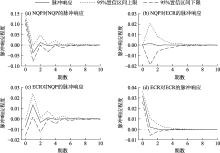
Fig. 4
Impulse response analysis results"

| [1] |
刘如龙, 赵媛媛, 陈国清, 等. 内蒙古黄河流域1990—2020年生境质量评估[J]. 干旱区研究, 2024, 41(4): 674-683.
doi: 10.13866/j.azr.2024.04.13 |
|
[ Liu Rulong, Zhao Yuanyuan, Chen Guoqing, et al. Assessment of habitat quality in the Yellow River Basin in Inner Mongolia from 1990 to 2020[J]. Arid Zone Research, 2024, 41(4): 674-683. ]
doi: 10.13866/j.azr.2024.04.13 |
|
| [2] | 刘建华, 闫静, 王慧扬, 等. 黄河流域新质生产力水平的动态演进及障碍因子诊断[J]. 人民黄河, 2024, 46(4): 1-7, 14. |
| [ Liu Jianhua, Yan Jing, Wang Huiyang, et al. The dynamic evolution of new quality productive forces level and diagnosis of obstacle factors in the Yellow River Basin[J]. Yellow River, 2024, 46(4): 1-7, 14. ] | |
| [3] | 杨美沂, 刘漩, 张宗宾, 等. 黄河流域新质生产力发展水平测度、区域差异及动态演进[J]. 人民黄河, 2025, 47(1): 15-22. |
| [ Yang Meiyi, Liu Xuan, Zhang Zongbin, et al. Measurement of the development level, regional differences and dynamics evolution of new quality productive forces in the Yellow River Basin[J]. Yellow River, 2025, 47(1): 15-22. ] | |
| [4] | 郭朝先, 万君. 黄河流域新质生产力发展测度分析和路径选择[J]. 山西师大学报(社会科学版), 2024, 51(6): 11-19. |
| [ Guo Chaoxian, Wan Jun. Measurement analysis and path selection of new quality productivity development in the Yellow River Basin[J]. Journal of Shanxi Normal University (Social Science Edition), 2024, 51(6): 11-19. ] | |
| [5] |
彭文英, 赵爽, 单子溢, 等. 黄河流域新质生产力生态化水平测度与障碍因子[J]. 干旱区地理, 2025, 48(9): 1648-1659.
doi: 10.12118/j.issn.1000-6060.2024.543 |
|
[ Peng Wenying, Zhao Shuang, Shan Ziyi, et al. Measurement and obstacle factors of ecological level of new quality productive forces in the Yellow River Basin[J]. Arid Land Geography, 2025, 48(9): 1648-1659. ]
doi: 10.12118/j.issn.1000-6060.2024.543 |
|
| [6] | 张斯琴, 田雪岐. 数字经济赋能黄河流域新质生产力及低碳转型的路径研究[J]. 人民黄河, 2025, 47(2): 8-14. |
| [ Zhang Siqin, Tian Xueqi. Study on the path of digital economy empowering new quality productivity and low-carbon transition in the Yellow River Basin[J]. Yellow River, 2025, 47(2): 8-14. ] | |
| [7] | 王松茂, 牛金兰. 黄河流域城市生态韧性时空演变及其影响因素[J]. 生态学报, 2023, 43(20): 8309-8320. |
| [ Wang Songmao, Niu Jinlan. Spatio-temporal evolution and influencing factors of urban ecological resilience in the Yellow River Basin[J]. Acta Ecologica Sinica, 2023, 43(20): 8309-8320. ] | |
| [8] | 刘玒玒, 刘书芳. 黄河流域城市群生态韧性时空演化及提升路径研究[J]. 环境科学研究, 2024, 37(7): 1534-1545. |
| [ Liu Honghong, Liu Shufang. Research on spatiotemporal evolution and improvement paths of ecological resilience in Yellow River Basin urban agglomerations[J]. Research of Environmental Sciences, 2024, 37(7): 1534-1545. ] | |
| [9] | 赵政楠, 茹少峰, 薛飞. 黄河流域生态韧性的时空格局与分布动态演进——基于能值生态足迹模型的分析[J]. 中国人口·资源与环境, 2024, 34(8): 136-147. |
| [ Zhao Zhengnan, Ru Shaofeng, Xue Fei. Spatio-temporal pattern and dynamic evolution of ecological resilience in the Yellow River Basin: Based on the analysis of emergy ecological footprint model[J]. China Population, Resources and Environment, 2024, 34(8): 136-147. ] | |
| [10] |
张傲翔, 苗成林, 陈峥妍. 黄河流域城市生态韧性、社会网络及其影响因素分析[J]. 干旱区地理, 2025, 48(1): 130-142.
doi: 10.12118/j.issn.1000-6060.2024.101 |
|
[ Zhang Aoxiang, Miao Chenglin, Chen Zhengyan. Urban ecological resilience, social networks and its influencing factors in the Yellow River Basin[J]. Arid Land Geography, 2025, 48(1): 130-142. ]
doi: 10.12118/j.issn.1000-6060.2024.101 |
|
| [11] |
张明斗, 任衍婷, 周亮. 黄河流域城市生态韧性时空演变特征及影响因素分析[J]. 干旱区地理, 2024, 47(3): 445-454.
doi: 10.12118/j.issn.1000-6060.2023.381 |
|
[ Zhang Mingdou, Ren Yanting, Zhou Liang. Spatiotemporal evolution characteristics and influencing factors of urban ecological resilience in the Yellow River Basin[J]. Arid Land Geography, 2024, 47(3): 445-454. ]
doi: 10.12118/j.issn.1000-6060.2023.381 |
|
| [12] | 石涛. 黄河流域城市韧性发展水平的时空演进及驱动要素分析[J]. 区域经济评论, 2022(1): 139-149. |
| [ Shi Tao. The analysis of the spatiotemporal evolution and driving factors of urban resilience in Yellow River Basin[J]. Regional Economic Review, 2022(1): 139-149. ] | |
| [13] | 黄群慧, 盛方富. 新质生产力系统:要素特质、结构承载与功能取向[J]. 改革, 2024(2): 15-24. |
| [ Huang Qunhui, Sheng Fangfu. New productive forces system: Factor characteristics, structural bearing and functional orientation[J]. Reform, 2024(2): 15-24. ] | |
| [14] | 韩文龙, 张瑞生, 赵峰. 新质生产力水平测算与中国经济增长新动能[J]. 数量经济技术经济研究, 2024, 41(6): 5-25. |
| [ Han Wenlong, Zhang Ruisheng, Zhao Feng. The measurement of new quality productivity and new driving force of the Chinese economy[J]. Journal of Quantitative & Technological Economics, 2024, 41(6): 5-25. ] | |
| [15] | 张悦倩, 刘全龙, 李新春. 长三角城市群城市韧性与新型城镇化的耦合协调研究[J]. 城市问题, 2022(5): 17-27. |
| [ Zhang Yueqian, Liu Quanlong, Li Xinchun. Spatiotemporal evolution of the coupling coordination of urban resilience and new urbanization in the urban agglomeration of Yangtze River Delta[J]. Urban Problems, 2022(5): 17-27. ] | |
| [16] |
孟庆帅, 巩钰, 刘小燕, 等. 水资源-社会经济-生态环境耦合协调度关系研究及预测——以黄河流域内蒙古段为例[J]. 干旱区研究, 2025, 42(4): 682-694.
doi: 10.13866/j.azr.2025.04.10 |
|
[ Meng Qingshuai, Gong Yu, Liu Xiaoyan, et al. Research and prediction of the degree of coupling coordination of water resources, socioeconomic development, and the ecological environment: A case of the Inner Mongolia section in the Yellow River Basin[J]. Arid Zone Research, 2025, 42(4): 682-694. ]
doi: 10.13866/j.azr.2025.04.10 |
|
| [17] | 周文慧, 钞小静. 黄河流域数字基础设施、经济发展韧性与生态环境保护的耦合协调发展分析——基于三元系统耦合协调模型[J]. 干旱区资源与环境, 2023, 37(9): 1-9. |
| [ Zhou Wenhui, Chao Xiaojing. Coupling coordinated development of digital infrastructure, economic resilience and environmental protection in the Yellow River Basin: An approach of ternary system coupling coordination model[J]. Journal of Arid Land Resources and Environment, 2023, 37(9): 1-9. ] | |
| [18] | 李燕凌, 李民梁. 长江经济带新型城镇化与生态韧性: 耦合协调、时空格局及动态影响[J]. 长江流域资源与环境, 2024, 33(11): 2329-2341. |
| [ Li Yanling, Li Minliang. Coupling coordination, spatial-temporal patterns and dynamic impact of the new urbanization and ecological resilience in the Yangtze River economic belt[J]. Resources and Environment in the Yangtze Basin, 2024, 33(11): 2329-2341. ] | |
| [19] |
何好俊, 彭冲. 城市产业结构与土地利用效率的时空演变及交互影响[J]. 地理研究, 2017, 36(7): 1271-1282.
doi: 10.11821/dlyj201707007 |
| [ He Haojun, Peng Chong. The spatial-temporal evolution and the interactive effect between urban industrial structure transformation and land use efficiency[J]. Geographical Research, 2017, 36(7): 1271-1282. ] | |
| [20] |
刘琳轲, 梁流涛, 高攀, 等. 黄河流域生态保护与高质量发展的耦合关系及交互响应[J]. 自然资源学报, 2021, 36(1): 176-195.
doi: 10.31497/zrzyxb.20210112 |
|
[ Liu Linke, Liang Liutao, Gao Pan, et al. Coupling relationship and interactive response between ecological protection and high-quality development in the Yellow River Basin[J]. Journal of Natural Resources, 2021, 36(1): 176-195. ]
doi: 10.31497/zrzyxb.20210112 |
|
| [21] |
陆莹, 张敏, 王彦阁. 内蒙古黄河流域生态保护恢复优先区识别[J]. 干旱区研究, 2024, 41(11): 1946-1955.
doi: 10.13866/j.azr.2024.11.14 |
|
[ Lu Ying, Zhang Min, Wang Yange. Identification of priority areas for the ecological protection and restoration of the Yellow River Basin in Inner Mongolia[J]. Arid Zone Research, 2024, 41(11): 1946-1955. ]
doi: 10.13866/j.azr.2024.11.14 |
|
| [22] | 贾若祥, 王继源, 窦红涛. 以新质生产力推动区域高质量发展[J]. 改革, 2024(3): 38-47. |
| [ Jia Ruoxiang, Wang Jiyuan, Dou Hongtao. Promoting high-quality regional development by new quality productive forces[J]. Reform, 2024(3): 38-47. ] | |
| [23] |
杨永春, 张旭东, 穆焱杰, 等. 黄河上游生态保护与高质量发展的基本逻辑及关键对策[J]. 经济地理, 2020, 40(6): 9-20.
doi: 10.15957/j.cnki.jjdl.2020.06.002 |
|
[ Yang Yongchun, Zhang Xudong, Mu Yanjie, et al. The basic logic and core strategies of ecological protection and high-quality development in the upper reaches of the Yellow River[J]. Economic Geography, 2020, 40(6): 9-20. ]
doi: 10.15957/j.cnki.jjdl.2020.06.002 |
|
| [24] | 刘家旗, 茹少峰. 基于生态足迹理论的黄河流域可持续发展研究[J]. 改革, 2020(9): 139-148. |
| [ Liu Jiaqi, Ru Shaofeng. Sustainability evaluation based on ecological footprints theory in Yellow River Basin[J]. Reform, 2020(9): 139-148. ] | |
| [25] | 张古鹏, 郭文波, 梁会玲, 等. 黄河流域跨区域科技创新合作现状与优化策略研究[J]. 中国科学院院刊, 2024, 39(6): 985-999. |
| [ Zhang Gupeng, Guo Wenbo, Liang Huiling, et al. Research on current situation and optimization strategy of cross-regional scientific and technological innovation cooperation in the Yellow River Basin[J]. Bulletin of Chinese Academy of Sciences, 2024, 39(6): 985-999. ] | |
| [26] | 何苗, 任保平. 黄河流域生态保护与高质量发展耦合协调的协同推进机制[J]. 经济与管理评论, 2024, 40(1): 15-29. |
| [ He Miao, Ren Baoping. A synergistic mechanism for coupling and coordinating high-quality development and ecological protection in the Yellow River Basin[J]. Review of Economy and Management, 2024, 40(1): 15-29. ] |
|
||
