
干旱区研究 ›› 2025, Vol. 42 ›› Issue (11): 2083-2092.doi: 10.13866/j.azr.2025.11.11
张惠1,2( ), 高宏宇3, 张正3(), 刘翠英3
收稿日期:2025-04-30
修回日期:2025-05-18
出版日期:2025-11-15
发布日期:2025-12-13
通讯作者:
张正. E-mail: zhangz@yulinu.edu.cn作者简介:张惠(1987-),女,硕士,副高级工程师,主要从事森林生态学研究. E-mail: 22458338@qq.com
基金资助:
ZHANG Hui1,2(), GAO Hongyu3, ZHANG Zheng3(), LIU Cuiying3
Received:2025-04-30
Revised:2025-05-18
Published:2025-11-15
Online:2025-12-13
摘要: 氮、磷合理施肥是促进沙地樟子松(Pinus sylvestris var. mongolica)生长发育的重要举措。本文以毛乌素沙地樟子松为研究对象,以未施肥处理为对照(CK),设置N1(氮46 g·株-1)、N2(氮92 g·株-1)、P1(磷18 g·株-1)、P2(磷36 g·株-1)、P1N1(磷18 g·株-1、氮46 g·株-1)、P1N2(磷18 g·株-1、氮92 g·株-1)、P2N1(磷36 g·株-1、氮46 g·株-1)及P2N2(磷36 g·株-1、氮92 g·株-1)等8个施肥处理,研究氮磷施肥处理下樟子松叶片的营养元素、叶绿素、丙二醛及超氧阴离子含量,并分析以上指标间的相关性及综合排序。结果表明:单施氮肥或磷肥、氮磷肥配施后,樟子松叶片中全氮、全磷、全钾、总钙、总镁含量普遍显著增加(P<0.05),氮、磷施肥有利于氮、磷、钾、钙、镁的获取及吸收。随氮肥或者磷肥的施用量的增加,叶绿素含量并未显著增加甚至存在降低的现象。与CK相比,P1、P1N1、P1N2、P2N1等施肥处理下丙二醛含量显著降低(P<0.05),与氮肥相比,磷肥的适当添加可增强植物的抗逆性。与CK相比,P1N1、P1N2、P2N1施肥处理下超氧阴离子含量显著降低(P<0.05),即氮磷配施更有利于植物抵抗氧化损伤。基于隶属函数值及施肥成本,P1N1为最佳施肥配比。通过以上研究,以期为沙地樟子松的合理施肥管理提供理论依据。
张惠, 高宏宇, 张正, 刘翠英. 氮磷施肥对沙地樟子松叶片养分含量及生理特性的影响[J]. 干旱区研究, 2025, 42(11): 2083-2092.
ZHANG Hui, GAO Hongyu, ZHANG Zheng, LIU Cuiying. Effects of nitrogen and phosphorus fertilization on nutrient content and physiological traits of Pinus sylvestris var. mongolica needles in sandy land[J]. Arid Zone Research, 2025, 42(11): 2083-2092.
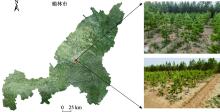
图1
试验地点及样地景观示意图"

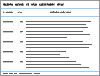
表1
外源性氮磷施肥试验组合"
| 处理 | 氮/(g·株-1) (尿素21%) | 磷/(g·株-1) (过磷酸钙12%) |
|---|---|---|
| 1(CK) | 0 | 0 |
| 2(P1) | 0 | 18 g(过磷酸钙施肥量150 g) |
| 3(P2) | 0 | 36 g(过磷酸钙施肥量300 g) |
| 4(N1) | 46 g(尿素施肥量200 g) | 0 |
| 5(N2) | 92 g(尿素施肥量400 g) | 0 |
| 6(P1N1) | 46 g(尿素施肥量200 g) | 18 g(过磷酸钙施肥量150 g) |
| 7(P1N2) | 92 g(尿素施肥量400 g) | 18 g(过磷酸钙施肥量150 g) |
| 8(P2N2) | 92 g(尿素施肥量400 g) | 36 g(过磷酸钙施肥量300 g) |
| 9(P2N1) | 46 g(尿素施肥量200 g) | 36 g(过磷酸钙施肥量300 g) |
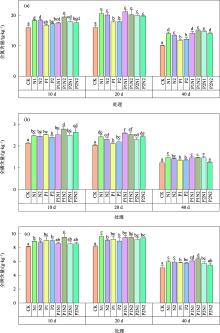
图2
樟子松叶片氮磷钾含量 注:不同小写字母表示同一时间不同施肥处理之间存在显著性差异(P<0.05)。下同。"

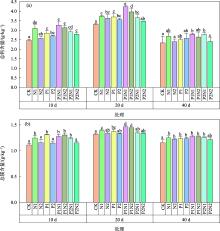
图3
樟子松叶片钙镁含量"

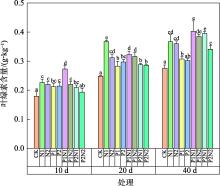
图4
樟子松叶片叶绿素含量"

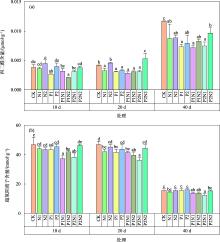
图5
樟子松叶片丙二醛和超氧阴离子含量"

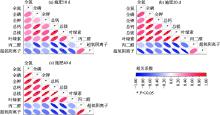
图6
樟子松叶片特征指标间的相关性"

表2
氮磷施肥处理下樟子松叶片特征综合排序"
| 组合 | 隶属函数值 | 平均 | 排序 | ||
|---|---|---|---|---|---|
| 施肥后10 d | 施肥后20 d | 施肥后40 d | |||
| CK | 0.03 | 0.06 | 0.02 | 0.04 | 9 |
| N1 | 0.55 | 0.72 | 0.73 | 0.66 | 4 |
| N2 | 0.34 | 0.42 | 0.53 | 0.43 | 6 |
| P1 | 0.55 | 0.46 | 0.47 | 0.50 | 5 |
| P2 | 0.33 | 0.38 | 0.46 | 0.39 | 7 |
| P1N1 | 0.72 | 0.88 | 0.89 | 0.83 | 1 |
| P1N2 | 0.85 | 0.80 | 0.86 | 0.83 | 1 |
| P2N1 | 0.55 | 0.59 | 0.90 | 0.68 | 3 |
| P2N2 | 0.33 | 0.40 | 0.39 | 0.37 | 8 |
| [1] | 朱都庆. 我国干旱与半干旱地区土壤氮磷元素空间分布格局及其驱动因素[D]. 兰州: 兰州大学, 2019. |
| [ Zhu Duqing. Spatial Distribution Patterns of Soil Nitrogen and Phosphorus and Their Driving Factors in Arid and Semiarid Zones of China[D]. Lanzhou: Lanzhou University, 2019. ] | |
| [2] | 周静. 不同氮肥施用对喀斯特草地植物生长和土壤磷组分的影响[D]. 贵阳: 贵州大学, 2024. |
| [ Zhou Jing. Effects of Different Nitrogen Fertilizer Applications on Plant Growth and Soil Phosphorus Fractions in Karst Grassland[D]. Guiyang: Guizhou University, 2024. ] | |
| [3] | 王静. 不同柑橘砧木磷利用能力的差异及其机制[D]. 武汉: 华中农业大学, 2024. |
| [ Wang Jing. The Difference in Phosphorus Utilization Capacity among Different Citrus Rootstocks and Its Mechanism[D]. Wuhan: Huazhong Agricultural University, 2024. ] | |
| [4] | 芦东旭, 耿雪琪, 崔子怡, 等. 黄土丘陵区不同林龄刺槐养分利用特征和林分质量研究[J]. 北京林业大学学报, 2023, 45(12): 90-99. |
| [ Lu Dongxu, Geng Xueqi, Cui Ziyi, et al. Nutrient utilization characteristics and stand quality of Robinia pseudoacacia at different stand ages in the loess hilly region of northwestern China[J]. Journal of Beijing Forestry University, 2023, 45(12): 90-99. ] | |
| [5] |
胡延斌, 张强, 肖国举, 等. 中国半干旱区农田土壤碳、氮、磷含量对玉米生产的影响[J]. 中国沙漠, 2022, 42(3): 261-273.
doi: 10.7522/j.issn.1000-694X.2021.00143 |
|
[ Hu Yanbin, Zhang Qiang, Xiao Guoju, et al. Effect of soil carbon, nitrogen and phosphate contents on maize production in semi-arid regions of China[J]. Journal of Desert Research, 2022, 42(3): 261-273. ]
doi: 10.7522/j.issn.1000-694X.2021.00143 |
|
| [6] | 路伟伟, 吴波, 白建华, 等. 樟子松人工林退化原因及研究展望[J]. 科学通报, 2023, 68(11): 1286-1297. |
| [ Lu Weiwei, Wu Bo, Bai Jianhua, et al. Causes and research prospects of the decline of Pinus sylvestris var. mongolica plantation[J]. Chinese Science Bulletin, 2023, 68(11): 1286-1297. ] | |
| [7] | 苗禹博, 方攀, 杨志恒, 等. 不同地理环境下的樟子松遗传结构分析[J]. 北京林业大学学报, 2018, 40(10): 43-50. |
| [ Miao Yubo, Fang Pan, Yang Zhiheng, et al. Genetic structure analysis of Pinus sylvestris var. mongolica under different geographical environments[J]. Journal of Beijing Forestry University, 2018, 40(10): 43-50. ] | |
| [8] | 袁媛, 张鹤, 武杼华, 等. 植被恢复对毛乌素沙地土壤pH和养分含量的影响[J]. 土壤通报, 2021, 52(1): 148-156. |
| [ Yuan Yuan, Zhang He, Wu Zhuhua, et al. Effects of vegetation restoration on soil pH and nutrient contents in the Mu Us sandland[J]. Chinese Journal of Soil Science, 2021, 52(1): 148-156. ] | |
| [9] | 郝龙飞, 郝文颖, 刘婷岩, 等. 氮添加及接种处理对1年生樟子松苗木根系形态及养分含量的影响[J]. 北京林业大学学报, 2021, 43(4): 1-7. |
| [ Hao Longfei, Hao Wenying, Liu Tingyan, et al. Responses of root morphology and nutrient content of Pinus sylvestris var. mongolica seedlings to nitrogen addition and inoculation treatments[J]. Journal of Beijing Forestry University, 2021, 43(4): 1-7. ] | |
| [10] | 李银科, 刘世增, 严子柱. 影响干旱荒漠区樟子松幼苗生长的土壤因子初探[J]. 中国农学通报, 2009, 25(11): 173-175. |
| [ Li Yinke, Liu Shizeng, Yan Zizhu. Initial study of soil factors affecting growth of seedlings of Pinus sylvestris var. mongolica in arid desert area[J]. Chinese Agricultural Science Bulletin, 2009, 25(11): 173-175. ] | |
| [11] | 田静, 步连燕, 陈文峰, 等. 毛乌素沙地人工林恢复对土壤剖面化学性质和细菌群落的影响[J]. 土壤学报, 2023, 60(3): 881-892. |
| [ Tian Jing, Bu Lianyan, Chen Wenfen, et al. Effects of plantation restoration on chemical properties and bacterial community in soil profiles in Mu Us Sandy Land[J]. Acta Pedologica Sinica, 2023, 60(3): 881-892. ] | |
| [12] | 于雅凡, 万龙燕, 邓继峰, 等. 干旱复水对沙地樟子松水力和碳同化特征的影响[J]. 植物生理学报, 2025, 61(3): 309-324. |
|
[ Yu Yafan, Wan Longyan, Deng Jifeng, et al. Effects of drought and rehydration on the hydraulic and carbon assimilation characteristics of Pinus sylvestris var. mongolica[J]. Plant Physiology Journal, 2025, 61(3): 309-324. ]
doi: 10.1111/ppl.1984.61.issue-3 |
|
| [13] | 赵姗宇, 黎锦涛, 孙学凯, 等. 樟子松人工林原产地与不同自然降水梯度引种地土壤和植物叶片生态化学计量特征[J]. 生态学报, 2018, 38(20): 7189-7197. |
| [ Zhao Shanyu, Li Jintao, Sun Xuekai, et al. Responses of soil and plant stoichiometric characteristics along rainfall gradients in Mongolian pine plantations in native and introduced regions[J]. Acta Ecologica Sinica, 2018, 38(20): 7189-7197. ] | |
| [14] | 张治来, 曹正, 张治发, 等. 榆林毛乌素沙地樟子松种子园提高结实量措施[J]. 林业调查规划, 2010, 35(1): 87-91. |
| [ Zhang Zhilai, Cao Zheng, Zhang Zhifa, et al. Measures for increasing amount of seed bearing of clonal Pinus sylvestris seed orchards in Yulin[J]. Forest Inventory and Planning, 2010, 35(1): 87-91. ] | |
| [15] | Boyd D A. Statistics of crop responses to fertilizers-rome-food-and-agricultural-organisation[J]. Journal of the Royal Statistical Society, Series A (Statistics in Society), 1967, 130: 577-577. |
| [16] | 马存平, 贾艳梅, 马雅莉, 等. 榆林沙区樟子松人工林结实及促进措施研究[J]. 山西林业科技, 2024, 53(1): 43-46. |
| [ Ma Cunping, Jia Yanmei, Ma Yali, et al. Study on the fruiting and promoting measures of Pinus sylvestris plantations in Yulin sandy area[J]. Shanxi Forestry Science and Technology, 2024, 53(1): 43-46. ] | |
| [17] | 鲍士旦. 土壤农化分析[M]. 北京: 中国农业出版社, 2000. |
| [ Bao Shidan. Soil Agricultural Chemical Analysis[M]. Beijing: China Agriculture Press, 2000. ] | |
| [18] | 刘阳. 辽西北沙地樟子松人工林球果分布规律、影响因素及产量测报研究[D]. 沈阳: 沈阳农业大学, 2022. |
| [ Liu Yang.Study on Distribution Pattern, Influencing Factors, and Yield Forecast of Cone Quantity of Pinus sylvestris Plantation on Sandy Land in Northwest Liaoning Province[D]. Shenyang: Shenyang Agricultural University, 2022. ] | |
| [19] | 郑蓉蓉, 马江涛, 常天进, 等. 施氮对油松林新生叶氮磷特征和土壤养分的影响[J]. 西北林学院学报, 2024, 39(6): 71-78. |
| [ Zheng Rongrong, Ma Jiangtao, Chang Tianjin, et al. Effects of nitrogen additionon nitrogen and phosphorus characteristics in new needles of Pinus tabuliformis forest and soil nutrients[J]. Journal of Northwest Forestry University, 2024, 39(6): 71-78. ] | |
| [20] | 陆雯艳, 刘金枝, 沈钰琪, 等. 植物钙信号指示剂的研究进展[J]. 浙江农林大学学报, 2025, 42(1): 202-209. |
| [ Lu Wenyan, Liu Jinzhi, Shen Yuqi, et al. Research progress on plant calcium signaling indicators[J]. Journal of Zhejiang A & F University, 2025, 42(1): 202-209. ] | |
| [21] | 杨亚蒙, 姬延伟, 韦静波, 等. 钾的生理作用及葡萄钾肥施用建议[J]. 果树资源学报, 2024, 5(5): 67-70. |
| [ Yang Yameng, Ji Yanwei, Wei Jingbo, et al. Physiological action of potassium and grape potassium fertilizer application suggestion[J]. Journal of Fruit Tree Resources, 2024, 5(5): 67-70. ] | |
| [22] | 刘芳, 李惠霞, 刘芳燕, 等. 缺镁或高浓度镁抑制番茄生长及叶片酶活性[J]. 中国土壤与肥料, 2022(9): 51-58. |
| [ Liu Fang, Li Huixia, Liu Fangyan, et al. Deficiency or excessive magnesium levels inhibited growth and leaf enzyme activity of tomato[J]. Soils and Fertilizers Sciences in China, 2022(9): 51-58. ] | |
| [23] | 赵永菊. 氮磷添加后马尾松幼苗对干旱的生长与生理响应[D]. 贵阳: 贵州大学, 2024. |
| [ Zhao Yongju. The Growth and Physiological Responses of Young Masson Pine Seedlings to Drought after Nitrogen and Phosphorus Addition[D]. Guiyang: Guizhou University, 2024. ] | |
| [24] | 邓斌, 曾德慧. 添加氮肥对沙地樟子松幼苗生物量分配与叶片生理特性的影响[J]. 生态学杂志, 2006, 25(11): 1312-1317. |
| [ Deng Bin, Zeng Dehui. Effects of nitrogen fertilization on biomass partitioning and leaf physiological characteristics of Pinus sylvestris var. mongolica seedlings on sandy soil[J]. Chinese Journal of Ecology, 2006, 25(11): 1312-1317. ] | |
| [25] |
刘成功, 孙高洁, 段娜, 等. 氮磷添加对唐古特白刺叶绿素含量和光合活性的影响[J]. 草地学报, 2020, 28(3): 694-702.
doi: 10.11733/j.issn.1007-0435.2020.03.013 |
|
[ Liu Chenggong, Sun Gaojie, Duan Na, et al. Effects of nitrogen and phosphorus addition on chlorophyll content and photosynthetic activity of Nitraria tangutorum[J]. Acta Agrestia Sinica, 2020, 28(3): 694-702. ]
doi: 10.11733/j.issn.1007-0435.2020.03.013 |
|
| [26] | 马道承. 赤苍藤苗期氮磷钾平衡施肥及氮素形态配比研究[D]. 南宁: 广西大学, 2023. |
| [Ma Daocheng. Study on the Balanced Fertilization of Nitrogen, Phosphorus and Potassium and the Proportion of Nitrogen Forms of Erythropalum scandens at the Seedling Stage[D]. Nanning: Guangxi University, 2023. ] | |
| [27] | 刘萍. 氮磷肥减量对茶叶产量、品质和养分吸收与流失的影响[D]. 长沙: 湖南农业大学, 2022. |
| [ Liu Ping. The Effects of Nitrogen and Phosphate Fertilizer Reduction on Tea Yield, Quality, Nutrient Absorption and Losses[D]. Changsha: Hunan Agricultural University, 2022. ] | |
| [28] | 徐亚军, 赵龙飞, 邢鸿福, 等. 内生细菌对盐胁迫下小麦幼苗脯氨酸和丙二醛的影响[J]. 生态学报, 2020, 40(11): 3726-3737. |
| [ Xu Yajun, Zhao Longfei, Xing Hongfu, et al. Effects of endophytic bacteria on proline and malondialdehyde of wheat seedlings under salt stress[J]. Acta Ecologica Sinica, 2020, 40(11): 3726-3737. ] | |
| [29] | 孟璐璐, 于春蕾, 薛德胜, 等. BHT对苹果采后灰霉病的防效及防御酶活性和丙二醛含量的影响[J]. 植物保护学报, 2019, 46 (3): 686-692. |
| [ Meng Lulu, Yu Chunlei, Xue Desheng, et al. Control efficiency of BHT against postharvest apple grey mold and its influence on the activity of defensive enzymes and content of malondialdehyde[J]. Journal of Plant Protection, 2019, 46(3): 686-692. ] | |
| [30] | 柴成武, 王方琳, 赵鹏, 等. 干旱胁迫对沙蒿叶片水分含量、光合特性及抗氧化酶的影响[J]. 西北林学院学报, 2025, 40(1): 42-50. |
| [ Chai Chengwu, Wang Fanglin, Zhao Peng, et al. Effects of drought stress on water content, photosynthetic characteristics and antioxidant enzymes of Artemisia desertorum leaves[J]. Journal of Northwest Forestry University, 2025, 40(1): 42-50. ] | |
| [31] | 周昀菲, 孙志强, 杜庆鑫, 等. 蒸汽爆破对紫色杜仲叶片水提液抗氧化能力及香气组分的影响[J]. 西北农林科技大学学报(自然科学版), 2025, 53 (4): 132-143, 156. |
| [ Zhou Yunfei, Sun Zhiqiang, Du Qingxin, et al. Effects of steam explosion on antioxidant capacity and aroma components of aqueous extract of purple Eucommia ulmoides leaves[J]. Journal of Northwest A & F University (Natural Science Edition), 2025, 53(4): 132-143, 156. ] | |
| [32] | 武彤, 李蝶, 田柳, 等. β-六溴环十二烷对玉米生长代谢的对映体选择性影响[J]. 环境化学, 2022, 41(3): 909-917. |
| [ Wu Tong, Li Die, Tian Liu, et al. Enantioselective effects of β-HBCD on the growth metabolism of maize[J]. Environmental Chemistry, 2022, 41(3): 909-917. ] | |
| [33] | 陈久梁. 逆境胁迫对银杏内生菌Endo Gin Ya6产胞外多糖的影响[D]. 大连: 大连工业大学, 2021. |
| [ Chen Jiuliang.Effects of Stress on the Production of Exopolysaccharides by Endophyte Endo Gin Ya 6 from Ginkgo biloba L.[D]. Dalian: Dalian Polytechnic University, 2021. ] |
| [1] | 窦家晅, 徐利岗, 苑蒙飞, 汤英. 不同供氮水平下宁夏枸杞养分吸收利用特征研究[J]. 干旱区研究, 2025, 42(4): 754-765. |
| [2] | 董鹏, 任悦, 高广磊, 丁国栋, 张英. 呼伦贝尔沙地樟子松枯落物和土壤碳、氮、磷化学计量特征[J]. 干旱区研究, 2024, 41(8): 1354-1363. |
| [3] | 吴玮婷, 王雨, 高广磊, 张英, 丁国栋, 曹红雨. 土壤微生物膜对沙生植物幼苗光合和荧光特性的影响[J]. 干旱区研究, 2024, 41(2): 272-283. |
| [4] | 王梓翔, 任悦, 鲁莹, 高广磊, 丁国栋, 张英. 干旱-复水对樟子松幼苗生理特征的影响[J]. 干旱区研究, 2024, 41(12): 2120-2131. |
| [5] | 张颂安, 刘轩, 赵珮杉, 高广磊, 张英, 丁国栋, 柳叶, 任悦. 呼伦贝尔沙地樟子松人工林土壤细菌网络特征[J]. 干旱区研究, 2023, 40(6): 905-915. |
| [6] | 吉吉佳门, 程一本, 谌玲珑, 万鹏翔, 张祎晖, 杨文斌, 白旭赢, 王涛. 科尔沁沙地樟子松人工林土壤水分动态及其对降雨的响应[J]. 干旱区研究, 2023, 40(5): 756-766. |
| [7] | 张彤, 刘静, 韩叙, 童郁强, 魏亚伟. 放牧对沙地樟子松林土壤养分及微生物群落的影响[J]. 干旱区研究, 2023, 40(2): 194-202. |
| [8] | 阿热孜古力·肉孜, 买买提·沙吾提, 何旭刚, 冶晓文. 基于多植被指数组合的棉花叶片叶绿素含量估算[J]. 干旱区研究, 2023, 40(11): 1865-1874. |
| [9] | 卡吾沙尔·库都斯,刘会良,张岚,迪力夏旦木·塔什买买提. 尖喙牻牛儿苗春/秋萌植株及子代种子的生理生化特性[J]. 干旱区研究, 2022, 39(5): 1473-1485. |
| [10] | 李嘉珞,郭米山,高广磊,阿拉萨,杜凤梅,殷小琳,丁国栋. 沙地樟子松菌根化幼苗对干旱胁迫的生理响应[J]. 干旱区研究, 2021, 38(6): 1704-1712. |
| [11] | 于东伟, 雷泽勇, 赵国军, 张岩松, 于德良, 白津宁, 李尧. 樟子松固沙林土壤理化特性对林分密度的响应[J]. 干旱区研究, 2020, 37(1): 134-141. |
| [12] | 顾思博, 周金龙, 曾妍妍, 陈云飞, 王松涛, 杜江岩. 新疆民丰县农田土壤微量营养元素含量及分布[J]. 干旱区研究, 2020, 37(1): 142-149. |
| [13] | 顾峰, 丁建丽, 葛翔宇, 高石宝, 王敬哲. 基于Sentinel-2数据的干旱区典型绿洲植被叶绿素含量估算[J]. 干旱区研究, 2019, 36(4): 924-934. |
| [14] | 于德良, 雷泽勇, 张岩松, 于东伟, 周晏平, 姜吉文. 沙地樟子松人工林土壤酶活性及其影响因子[J]. 干旱区研究, 2019, 36(3): 621-629. |
| [15] | 孔涛, 张莹, 雷泽勇, 王东丽, 刘洋, 于吉, 吴丹. 沙地樟子松人工林土壤氮矿化特征[J]. 干旱区研究, 2019, 36(2): 296-306. |
|
||
