
Arid Zone Research ›› 2025, Vol. 42 ›› Issue (11): 2142-2152.doi: 10.13866/j.azr.2025.11.16
• Agricultural Ecology • Previous Articles
YU Xiaotong1,2( ), GUO Kang1,2, WANG Zuojun3, MA Xiaofei2,4, WU Shuai1,2, XU Shixian2,4, LUO Geping2,4()
Received:2024-12-27
Revised:2025-05-12
Online:2025-11-15
Published:2025-12-13
Contact:
LUO Geping
E-mail:yuxiaotong322@gmail.com;luogp@ms.xjb.ac.cn
YU Xiaotong, GUO Kang, WANG Zuojun, MA Xiaofei, WU Shuai, XU Shixian, LUO Geping. Systematic investigation of agricultural land use patterns and sustainability assessment of typical models in the northern slope economic belt of Tianshan Mountains, 1990-2020[J].Arid Zone Research, 2025, 42(11): 2142-2152.
Add to citation manager EndNote|Reference Manager|ProCite|BibTeX|RefWorks
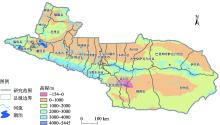
Fig. 1
Overview of the study area"

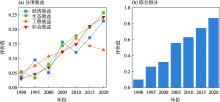
Fig. 2
The changing trends of the scores of the index layer and the comprehensive benefit scores of the water-saving mode from 1990 to 2020"

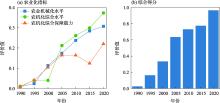
Fig. 3
The changing trends of the scores of the index layer and the comprehensive benefit scores of the agricultural mechanization mode from 1990 to 2020"

Tab. 1
Evaluation grade of development level of the water-saving model"
| 等级 | 节水模式综合 得分范围 | 年份 | 节水模式发展 水平评价等级 |
|---|---|---|---|
| I级(高) | >0.75 | 2020年 | I级 |
| II级(较高) | 0.59~0.75 | 2010年、2015年 | II级 |
| III级(一般) | 0.41~0.59 | 2005年 | III级 |
| IV级(较低) | 0.16~0.41 | 1995年、2000年 | IV级 |
| V级(低) | <0.16 | 1990年 | V级 |
Tab. 2
Agricultural mechanization model development level evaluation level"
| 等级 | 农机化模式综合得分范围 | 年份 | 农机化模式发展水平评价等级 |
|---|---|---|---|
| I级(高) | >0.85 | 2020年 | I级 |
| II级(较高) | 0.65~0.85 | 2005年、2010年、2015年 | II级 |
| III级(一般) | 0.40~0.65 | 2000年 | III级 |
| IV级(较低) | 0.03~0.41 | 1995年 | IV级 |
| V级(低) | <0.03 | 1990年 | V级 |
Tab. 3
Obstacle factor identification of efficient water-saving mode"
| 障碍度排序 | 1990年 | 1995年 | 2000年 | 2005年 | 2010年 | 2015年 | 2020年 |
|---|---|---|---|---|---|---|---|
| 1 | 节水灌溉面积增长率 | 节水灌溉面积增长率 | 农业GDP增长率 | 农业GDP增 长率 | 节约用水率 | 农业GDP增 长率 | 降低农业耕作成本率 |
| 2 | 区域水质改善情况 | 促进水资源可持续利用的影响 | 节水灌溉面积增长率 | 节水灌溉面积增长率 | 农村生态环境改善程度 | 群众节水意识 | 农业节水对生态环境建设贡献率 |
| 3 | 农民人均可支配收入增长率 | 有效种植面积增长率 | 节约用水率 | 有效种植面积增长率 | 农业节水对生态环境的贡献率 | 节约用水率 | 农村生态环境改善程度 |
| 4 | 节约用水率 | 农民人均可支配收入增长率 | 群众节水意识改善程度 | 农产品品质的改善程度 | 群众节水意识改善程度 | 农业节水对生态环境的贡献率 | 降低农业耕作成本率 |
| 5 | 农产品品质的改善程度 | 促进水资源可持续利用的影响 | 区域水质改善情况 | 区域水质改善情况 | 农产品品质的改善程度 | 灌溉水利用系数 | 灌溉水利用系数 |
Tab. 4
Identification of agricultural mechanization mode obstacle factors"
| 障碍度排序 | 1990年 | 1995年 | 2000年 | 2005年 | 2010年 | 2015年 | 2020年 |
|---|---|---|---|---|---|---|---|
| 1 | 机耕水平 | 劳均播种 面积 | 农业劳动产值 | 农业劳动产值 | 植保机械化 水平 | 农机人员受教育程度 | 千瓦农机作业 收入 |
| 2 | 劳均播种面积 | 机耕水平 | 劳均播种面积 | 机耕水平 | 机耕水平 | 农业劳均播种 面积 | 农机人员受教育 程度 |
| 3 | 植保机械化水平 | 机播水平 | 植保机械化 水平 | 农机技术人员拥有量 | 劳均播种面积 | 植保机械化水平 | 顷均农机总动力 |
| 4 | 机收水平 | 机收水平 | 机耕水平 | 植保机械化 水平 | 农机技术人员拥有量 | 农机技术人员拥有量 | 劳均播种面积 |
| 5 | 千瓦农机作业 收入 | 农机技术人员拥有量 | 机播水平 | 机播水平 | 农机人员受教育程度 | 机耕水平 | 农业劳动产值 |
| [1] |
王宗侠, 刘苏峡. 1990—2020年天山北坡地下水储量估算及其时空演变规律[J]. 地理学报, 2023, 78(7): 1744-1763.
doi: 10.11821/dlxb202307014 |
|
[ Wang Zongxia, Liu Suxia. Estimation and spatiotemporal evolution of groundwater storage on the northern slope of the Tianshan Mountains over the past three decades[J]. Acta Geographica Sinica, 2023, 78(7): 1744-1763. ]
doi: 10.11821/dlxb202307014 |
|
| [2] | 秦大庸, 罗翔宇, 陈晓军, 等. 西北干旱区水资源开发利用潜力分析[J]. 自然资源学报, 2004, 19(2): 143-150. |
| [ Qin Dayong, Luo Xiangyu, Chen Xiaojun, et al. Analysis of potentials of water resources development and utilization in the arid zone of Northwest China[J]. Journal of Natural Resources, 2004, 19(2): 143-150. ] | |
| [3] | 谢远涛, 李虹, 邹庆. 我国资源型城市创新指数研究——以116个地级城市为例[J]. 北京大学学报(哲学社会科学版), 2017, 54(5): 146-158. |
| [ Xie Yuantao, Li Hong, Zou Qing. A study on the innovation index of resource-based cities in China: Taking 116 cities at the prefecture level for example[J]. Journal of Peking University (Philosophy and Social Sciences), 2017, 54(5): 146-158. ] | |
| [4] | 高怡凡, 宋长青, 王元慧, 等. 顾及土地利用强度和生态-经济权衡的四川省陆地生态系统碳储量预测与热点分析[J]. 生态学报, 2024, 44(9): 3958-3969. |
| [ Gao Yifan, Song Changqing, Wang Yuanhui, et al. Carbon storage prediction of terrestrial ecosystems and hotspot analysis in Sichuan Province by considering land use intensity and eco-economic trade-offs[J]. Acta Ecologica Sinica, 2024, 44(9): 3958-3969. ] | |
| [5] | 易福金, 支晓旭. 农业现代化评价:基于农业资本的关键指标构建与应用[J]. 农业技术经济, 2025(1): 4-22. |
| [ Yi Fujin, Zhi Xiaoxu. Agricultural modernization evaluation: A key indicator based on agricultural capital and application[J]. Journal of Agrotechnical Economics, 2025(1): 4-22. ] | |
| [6] | 蒲春玲, 余慧容. 新疆低碳与环境友好型土地利用模式探讨[J]. 干旱区资源与环境, 2011, 25(6): 36-42. |
| [ Pu Chunling, Yu Huirong. Low-carbon and environment-friendly land-use patterns in Xinjiang, China[J]. Journal of Arid Land Resources and Environment, 2011, 25(6): 36-42. ] | |
| [7] | 刘爱民, 李飞. 农业资源利用模式间的转换及案例分析[J]. 自然资源学报, 1998, 13(3): 193-197. |
|
[ Liu Aimin, Li Fei. Mechanism transformation among agricultural resources utilization models and case analysis[J]. Journal of Natural Resources, 1998, 13(3): 193-197. ]
doi: 10.11849/zrzyxb.1998.03.001 |
|
| [8] | 李梦丽, 杨忠莲, 王楚亚, 等. 基于熵权法-模糊综合评价模型的生活污水低碳处理模式评价[J]. 环境工程学报, 2025, 19(6): 1327-1338. |
| [ Li Mengli, Yang Zhonglian, Wang Chuya, et al. Evaluation of low-carbon treatment modes for domestic wastewater based on an entropy weight-fuzzy comprehensive evaluation model[J]. Chinese Journal of Environmental Engineering, 2025, 19(6): 1327-1338. ] | |
| [9] | 李文勇, 陆宇, 廉冠. 基于AHP-灰色关联分析的农村公路路口交通安全研究[J]. 时代汽车, 2025(19): 192-195. |
| [ Li Wenyong, Lu Yu, Lian Guan. Research on traffic safety at rural road intersections based on AHP-grey relational analysis[J]. Times Automotive, 2025(19): 192-195. ] | |
| [10] | 李俊翰, 高明秀. 滨州市生态系统服务价值与生态风险时空演变及其关联性[J]. 生态学报, 2019, 39(21): 7815-7828. |
| [ Li Junhan, Gao Mingxiu. Spatiotemporal evolution and correlation analysis of ecosystem service values and ecological risk in Binzhou[J]. Acta Ecologica Sinica, 2019, 39(21): 7815-7828. ] | |
| [11] | 李艳菊, 丁建丽, 张钧泳, 等. 2001—2015年天山北坡植被覆盖对干旱的响应——基于土地利用/土地覆盖分析[J]. 生态学报, 2019, 39(17): 6206-6217. |
| [ Li Yanju, Ding Jianli, Zhang Junyong, et al. Response of vegetation cover to drought in the northern slope of the Tianshan Mountains during 2001-2015 based on the land-use and land-cover change[J]. Acta Ecologica Sinica, 2019, 39(17): 6206-6217. ] | |
| [12] | 只娟, 张山清, 王荣晓, 等. 近40年天山北坡经济带热量资源时空变化特征研究[J]. 干旱地区农业研究, 2015, 33(3): 254-259, 277. |
| [ Zhi Juan, Zhang Shanqing, Wang Rongxiao, et al. Research on spatial-temporal variation of heat resources in the economic zone of the northern slope of the Tianshan Mountains over the past 40 years[J]. Agricultural Research in Arid Areas, 2015, 33(3): 254-259, 277. ] | |
| [13] | 王柯文, 马海涛. 天山北坡经济带城镇化与资源环境系统的关系研究进展——基于文献计量分析[J]. 生态学报, 2023, 43(18): 7807-7819. |
| [ Wang Kewen, Ma Haitao. Research progress on the relationship between urbanization and resource-environment system in the northern slope economic zone of the Tianshan Mountains: Based on bibliometric analysis[J]. Acta Ecologica Sinica, 2023, 43(18): 7807-7819. ] | |
| [14] | 高红梅, 顾海峰, 李斌, 等. 青海祁连山地区兽类物种多样性及其分布型[J]. 生态学报, 2024, 44(21): 9974-9988. |
| [ Gao Hongmei, Gu Haifeng, Li Bin, et al. Diversity and distribution pattern analysis of mammalian species in the Qilian Mountains of Qinghai Province[J]. Acta Ecologica Sinica, 2024, 44(21): 9974-9988. ] | |
| [15] |
高亚苗, 陈浩楠, 王芳, 等. 宁夏典型粮食作物生产水足迹时空演变及节水潜力评价[J]. 干旱区地理, 2024, 47(12): 2005-2016.
doi: 10.12118/j.issn.1000-6060.2024.114 |
|
[ Gao Yamao, Chen Haonan, Wang Fang, et al. Spatio-temporal evolution of water footprint of typical grain crops and evaluation of water-saving potential in Ningxia[J]. Arid Land Geography, 2024, 47(12): 2005-2016. ]
doi: 10.12118/j.issn.1000-6060.2024.114 |
|
| [16] |
刘延雪, 乔长录. 干旱区绿洲膜下滴灌棉田蒸散发[J]. 干旱区研究, 2023, 40(1): 152-162.
doi: 10.13866/j.azr.2023.01.16 |
|
[ Liu Yanxue, Qiao Changlu. Study on evapotranspiration of cotton field under drip irrigation in oasis of arid region[J]. Arid Zone Research, 2023, 40(1): 152-162. ]
doi: 10.13866/j.azr.2023.01.16 |
|
| [17] | 胡险峰, 王卫, 曾艳丽, 等. 东部地区稻田水资源高效利用研究——基于不同节水灌溉模式[J]. 中国资源综合利用, 2022, 40(10): 76-80. |
| [ Hu Xianfeng, Wang Wei, Zeng Yanli, et al. Study on high-efficient utilization of paddy water resources in eastern China: Based on different water-saving irrigation models[J]. Comprehensive Utilization of Resources in China, 2022, 40(10): 76-80. ] | |
| [18] | 袁勤俭, 宗乾进, 沈洪洲. 德尔菲法在我国的发展及应用研究——南京大学知识图谱研究组系列论文[J]. 现代情报, 2011, 31(5): 3-7. |
| [ Yuan Qinjian, Zong Qianjin, Shen Hongzhou. Review of development and application of Delphi method in China: one of series papers of Nanjing University Knowledge Mapping Research Group[J]. Modern Information, 2011, 31(5): 3-7. ] | |
| [19] | 王婧, 靳春玲, 贡力, 等. 基于FCM-LVQ网络模型的疏勒河流域水安全评价[J]. 水资源与水工程学报, 2021, 32(1): 103-109, 116. |
| [ Wang Jing, Jin Chunling, Gong Li, et al. Water security evaluation of Shule River Basin based on FCM-LVQ network model[J]. Journal of Water Resources and Water Engineering, 2021, 32(1): 103-109, 116. ] | |
| [20] | 新夫, 于会淼, 生然. 可持续发展背景下企业水安全评价指标体系构建与应用[J]. 水利经济, 2024, 42(6): 84-90. |
| [ Xin Fu, Yu Huimiao, Sheng Ran. Construction and application of corporate water security evaluation index system in the context of sustainable development[J]. Water Economics, 2024, 42(6): 84-90. ] | |
| [21] | 杜龙飞, 张劲, 渠晓东, 等. 综合评价法在北京丰台区城市河流水生态环境质量评价中的应用研究[J]. 环境科学研究, 2025, 38(2): 318-331. |
| [ Du Longfei, Zhang Jin, Qu Xiaodong, et al. Research on comprehensive assessment methods of the evaluation of urban river water eco-environment quality in Fengtai District, Beijing[J]. Research of Environmental Sciences, 2025, 38(2): 318-331. ] | |
| [22] | 朱薇, 周宏飞, 李兰海, 等. 哈萨克斯坦农业水土资源承载力评价及其影响因素识别[J]. 干旱区研究, 2020, 37(1): 254-263. |
| [ Zhu Wei, Zhou Hongfei, Li Lanhai, et al. Evaluation on carrying capacity of agricultural water and land resources and identification of affecting factors in Kazakhstan[J]. Arid Zone Research, 2020, 37(1): 254-263. ] | |
| [23] | 杨小杰, 文媚, 赵茁会, 等. 丘陵地区农业机械化率影响因素研究——基于四川省10个典型县(市、区)的质化研究[J]. 中国农机化学报, 2023, 44(11): 224-230. |
| [ Yang Xiaojie, Wen Mei, Zhao Zhuohui, et al. Study on the influencing factors of agricultural mechanization rate in hilly areas: Based on qualitative research of 10 typical counties (cities and districts) in Sichuan[J]. Journal of Chinese Agricultural Mechanization, 2023, 44(11): 224-230. ] | |
| [24] |
范峻恺, 徐建刚. 基于神经网络综合建模的区域城市群发展脆弱性评价——以滇中城市群为例[J]. 自然资源学报, 2020, 35(12): 2875-2887.
doi: 10.31497/zrzyxb.20201205 |
|
[ Fan Junkai, Xu Jiangang. Vulnerability assessment of urban agglomeration based on neural network model: A case study of central Yunnan urban agglomeration[J]. Journal of Natural Resources, 2020, 35(12): 2875-2887. ]
doi: 10.31497/zrzyxb.20201205 |
|
| [25] | 吴汾奇, 张伟红, 董军, 等. 我国焦化场地地下水污染修复技术筛选方法及应用[J]. 中国环境科学, 2024, 44(8): 4709-4718. |
| [ Wu Fenqi, Zhang Weihong, Dong Jun, et al. Screening methods and applications of pollution remediation technologies for coking sites[J]. Environmental Science in China, 2024, 44(8): 4709-4718. ] | |
| [26] |
崔丹, 卜晓燕, 徐祯, 等. 中国资源型城市高质量发展综合评估及影响机理[J]. 地理学报, 2021, 76(10): 2489-2503.
doi: 10.11821/dlxb202110011 |
|
[ Cui Dan, Bu Xiaoyan, Xu Zhen, et al. Comprehensive evaluation and impact mechanism of high-quality development of China’s resource-based cities[J]. Acta Geographica Sinica, 2021, 76(10): 2489-2503. ]
doi: 10.11821/dlxb202110011 |
|
| [27] | 段祖亮, 刘雅轩, 王建锋, 等. 城市生态位测度研究——以天山北坡城市群为例[J]. 干旱区地理, 2013, 36(6): 1153-1161. |
| [ Duan Zuliang, Liu Yaxuan, Wang Jianfeng, et al. Urban niche metrics: A case of the urban agglomeration in the northern slope of Tianshan Mountains[J]. Arid Land Geography, 2013, 36(6): 1153-1161. ] | |
| [28] | 王振华, 陈学庚, 郑旭荣, 等. 关于我国大田滴灌未来发展的思考[J]. 干旱地区农业研究, 2020, 38(4): 1-9, 38. |
| [ Wang Zhenhua, Chen Xuegeng, Zheng Xurong, et al. Discussion of the future development of field drip irrigation in China[J]. Agricultural Research in Arid Areas, 2020, 38(4): 1-9, 38. ] | |
| [29] | 陈明, 苏丽丽. 博州棉花质量提升新途径——质量追溯[J]. 中国棉花加工, 2024(4): 23-25. |
| [ Chen Ming, Su Lili. A new approach to improving cotton quality in Bortala Prefecture: Quality traceability[J]. China Cotton Processing, 2024(4): 23-25. ] | |
| [30] | 焦万莹, 廖梦洁, 张健. 中国对RCEP伙伴国双边农产品出口效率及潜力——基于随机前沿引力模型[J]. 商业经济研究, 2025(13): 138-144. |
| [ Jiao Wanying, Liao Mengjie, Zhang Jian. Efficiency and potential of China’s bilateral agricultural exports to RCEP partner countries: based on stochastic frontier gravity model[J]. Business and Economic Research, 2025(13): 138-144. ] | |
| [31] |
褚家琦, 蒋志辉. 新疆农业水资源绿色效率时空演变及影响因素研究[J]. 干旱区地理, 2024, 47(7): 1231-1241.
doi: 10.12118/j.issn.1000-6060.2023.577 |
|
[ Chu Jiaqi, Jiang Zhihui. Study on spatio-temporal evolution and influencing factors of green efficiency of agricultural water resources in Xinjiang[J]. Arid Land Geography, 2024, 47(7): 1231-1241. ]
doi: 10.12118/j.issn.1000-6060.2023.577 |
|
| [32] | 黄卿宜, 孙一迪, 周明耀, 等. 水肥一体化条件下设施甜瓜灌溉施肥制度试验研究[J]. 节水灌溉, 2022(4): 71-76. |
| [ Huang Qingyi, Sun Yidi, Zhou Mingyao, et al. Experimental study on irrigation and fertilization regime of protected melon under water and fertilizer integration[J]. Water-saving Irrigation, 2022(4): 71-76. ] | |
| [33] | 张刘洁, 张修豪, 朱美玲. 农业节水专业合作社管理模式农业用水效益分析——基于玛纳斯县乐源合作社的实证研究[J]. 节水灌溉, 2015(12): 84-88. |
| [ Zhang Liujie, Zhang Xiuhao, Zhu Meiling. Analysis of agricultural water use efficiency of agricultural water-saving cooperative management model: An empirical study based on Leyuan Cooperative in Manas County[J]. Water-saving Irrigation, 2015(12): 84-88. ] | |
| [34] | 林惠凤, 刘某承, 杨伦, 等. 干旱区农户灌溉方式选择的影响因素——以河北省张北县为例[J]. 干旱区研究, 2020, 37(2): 523-531. |
| [ Lin Huifeng, Liu Moucheng, Yang Lun, et al. Influencing factors of farmers’ irrigation method choice in arid areas: A case study of Zhangbei County, Hebei Province[J]. Arid Zone Research, 2020, 37(2): 523-531. ] | |
| [35] | 印子. 内生型农业机械化服务市场的运行逻辑和动力机制——基于华北乡村农业发展案例的分析[J]. 中国农村观察, 2023(5): 24-43. |
| [ Yin Zi. The operation logic and dynamic mechanism of endogenous agricultural mechanization service market: A case study of rural agricultural development in North China[J]. China Rural Observation, 2023(5): 24-43. ] | |
| [36] | 李成, 贾俊文, 吴芳, 等. 生态文明建设下中国种植业温室气体排放时空演变特征[J]. 生态学报, 2024, 44(20): 9199-9208. |
| [ Li Cheng, Jia Junwen, Wu Fang, et al. Spatiotemporal characteristics of greenhouse gas emissions from China’s crop farming under ecological civilization construction[J]. Acta Ecologica Sinica, 2024, 44(20): 9199-9208. ] | |
| [37] |
李轩复, 黄东, 屈雪, 等. 不同收获方式对粮食损失的影响——基于全国3251个农户粮食收获的实地调研[J]. 自然资源学报, 2020, 35(5): 1043-1054.
doi: 10.31497/zrzyxb.20200503 |
|
[ Li Xuanfu, Huang Dong, Qu Xue, et al. Effects of different harvesting methods on grain loss: Based on the field survey of 3251 rural households in China[J]. Journal of Natural Resources, 2020, 35(5): 1043-1054. ]
doi: 10.31497/zrzyxb.20200503 |
|
| [38] | 孙小立. 沙湾县农机化发展现状及问题分析[J]. 新疆农机化, 2021(4): 36-38. |
| [ Sun Xiaoli. Present situation and problems analysis of development of agricultural mechanization in Shawan County[J]. Xinjiang Agricultural Mechanization, 2021(4): 36-38. ] | |
| [39] | 赵鲜. 浅谈昌吉州畜牧业机械化发展现状与对策[J]. 新疆农机化, 2022(6): 40-42. |
| [ Zhao Xian. Discussion on the status quo and countermeasures of animal husbandry mechanization development in Changji Prefecture[J]. Xinjiang Agricultural Mechanization, 2022(6): 40-42. ] |
| [1] | LI Yuhang, YU Wenxue, YANG Yongjun, ZHU Yanfeng, MA Jing, CHEN Fu. Spatio-temporal variation and attribution identification of natural runoff in the northern slope economic belt of Tianshan Mountains during the past 60 years [J]. Arid Zone Research, 2024, 41(9): 1446-1455. |
| [2] | DU Qing, LI Mei-jun, BIAN Zhen, ZHANG Ke-bin. Dynamic Change of Vegetation under Different Land Use Patterns: A Case Study in Yanchi County,Ningxia [J]. Arid Zone Research, 2016, 33(3): 569-576. |
| [3] | HUANG Jing, WU Xiang-yun, SHAN Bao-qi, WANG Mei-ting. Effects of Different Land Use Patterns on Enzyme Activity of Aeolian Sandy Soil [J]. Arid Zone Research, 2015, 32(2): 221-228. |
|
||
