
Arid Zone Research ›› 2025, Vol. 42 ›› Issue (11): 2018-2030.doi: 10.13866/j.azr.2025.11.06
• Land and Water Resources • Previous Articles Next Articles
AN Jianmin1( ), ZHANG Pengju2(), ZHANG Jianxin2, SHI Yongjie2
Received:2025-04-08
Revised:2025-08-11
Online:2025-11-15
Published:2025-12-13
Contact:
ZHANG Pengju
E-mail:fl25685@163.com;slhzhangpengju@126.com
AN Jianmin, ZHANG Pengju, ZHANG Jianxin, SHI Yongjie. Development and application of a flood forecasting model based on the Shule River digital-twin basin platform[J].Arid Zone Research, 2025, 42(11): 2018-2030.
Add to citation manager EndNote|Reference Manager|ProCite|BibTeX|RefWorks
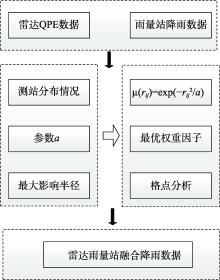
Fig. 1
Framework diagram of precipitation data fusion model"

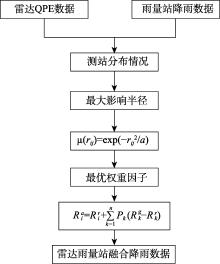
Fig. 2
Computational framework diagram of precipitation data fusion"

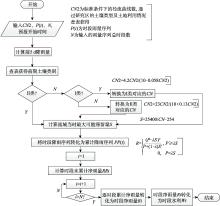
Fig. 3
Flowchart for runoff calculation in the SCS model"

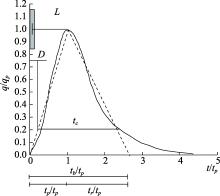
Fig. 4
Non-dimensional units curve of the SCS model"

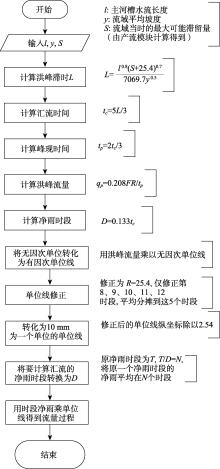
Fig. 5
Flowchart for concentration calculation in the SCS model[32]"
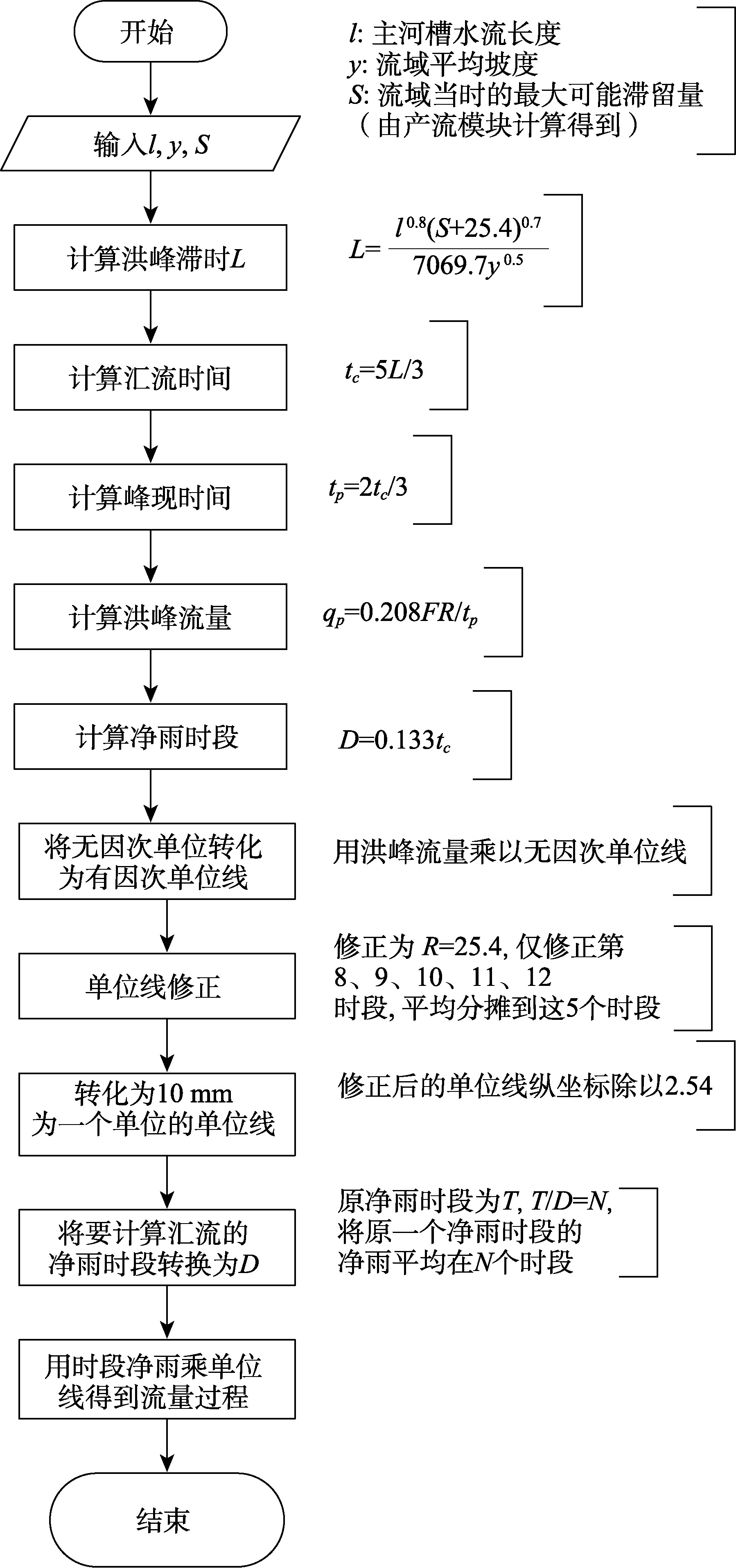
Fig. 6
Division of sub-watershed units in the upper reaches of the Shule River Basin"

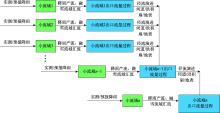
Fig. 7
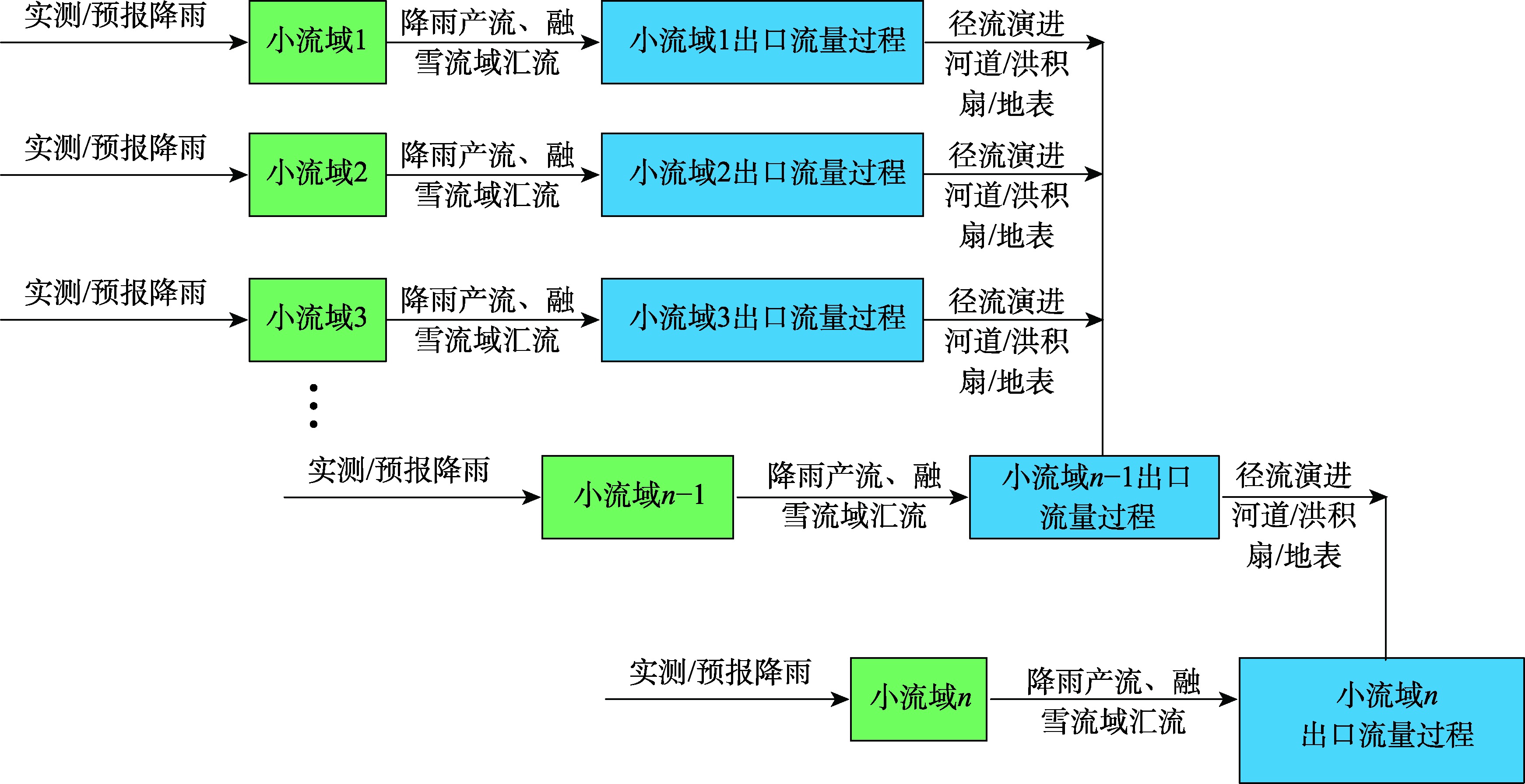
Structure diagram of model prediction and calculation"
Tab. 1
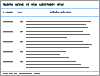
Basic data required for the model"
| 模型类型 | 模型参数名称 | 初始值 | 单位 |
|---|---|---|---|
| 河道演进 模型 | 马斯京根法河道 分段数 | 1 | 个 |
| 马斯京根法计算 初始流量 | 0.5 | m3·s-1 | |
| 河道汇流马斯京 根法系数 | 0.4 | - | |
| 稳定河道洪水传 播历时 | 3 | h | |
| 径流曲线 模型 | CN值 | 75 | 个 |
| 初损系数 | 0.2 | - | |
| 土壤蓄水能力SW | 13 | mm | |
| 无因次单位线 | 1 | - | |
| 长度 | 62.477 | m | |
| 坡度 | 0.023 | % | |
| 流域当时的最大 可能滞留量 | 0 | m3·s-1 | |
| 融雪径流 模型 | 融雪径流系数 | 1 | - |
| 气温日融雪率 | 2 | mm·(℃·d)-1 | |
| 流域温度直减率 | 1 | ℃·(100m)-1 | |
| 降雨融雪度系数 | 1 | - | |
| 融雪临界温度 | 1 | ℃ | |
| 流量衰减系数 | 1 | - |
Tab. 2
Calibration record of Changma Reservoir"
| 洪号 | 实测 | 洪峰流量检验 | 模拟峰现时间 | |||||||||
|---|---|---|---|---|---|---|---|---|---|---|---|---|
| 起涨时间 | 起涨流量 /( m3·s-1 ) | 洪峰流量 /(m3·s-1) | 峰现时间 | 模拟洪峰 /(m3·s-1) | 许可误差/% | 合格否 | 模拟时间 | 许可 误差 | 合格否 | |||
| 20230711 | 2023-07-12 06:00 | 12.7 | 271.2 | 2023-07-12 11:00 | 291 | 6.8 | √ | 2023-07-12 13:00 | 2 h | √ | ||
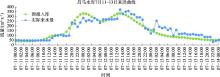
Fig. 8
No. 20230711 flood in Changma Reservoir"

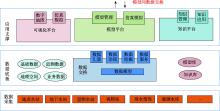
Fig. 9
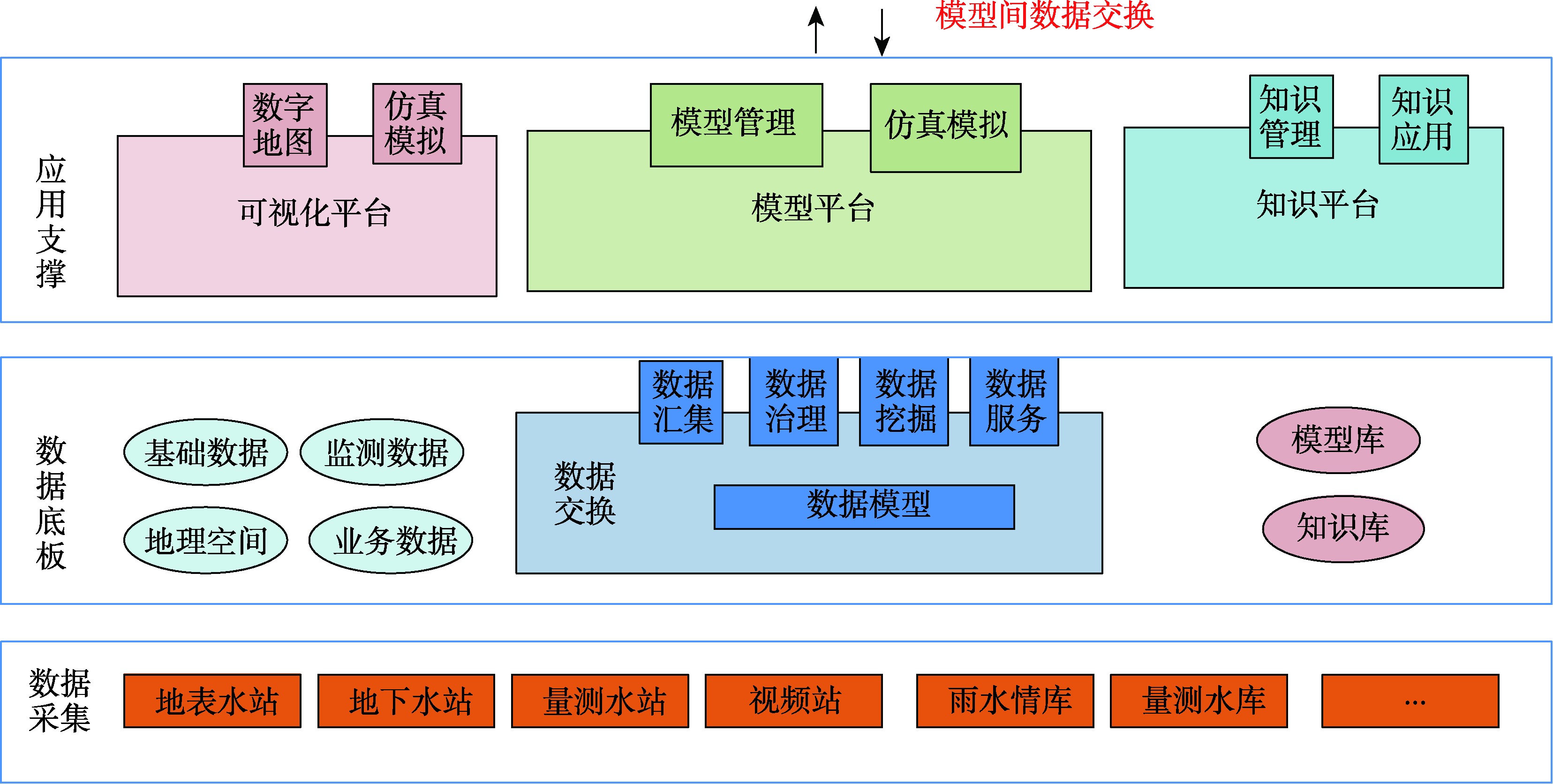
Overall architecture diagram of the flood prediction model in the Shule River digital twin basin"
Tab. 3
Interface design for flood prediction models"
| 模型类型 | 输入 | 输出 |
|---|---|---|
| 河道演进模型 | 开始时间 | 开始时间 结束时间 流域出口断面流量 过程 |
| 结束时间 | ||
| 第一断面第一时刻 初始流量 | ||
| 第一断面第二时刻 初始流量 | ||
| 第二断面第一时刻 初始流量 | ||
| 河道汇流马斯京根 法系数 | ||
| 稳定河道洪水传播 历时 | ||
| 径流曲线模型 | 开始时间 | 开始时间 结束时间 流域出口断面流量 过程 |
| 结束时间 | ||
| 流域面平均雨量 | ||
| CN值 | ||
| 初损系数 | ||
| 土壤湿润等级 | ||
| 无因次单位线 | ||
| 流域概化长度 | ||
| 流域坡度 | ||
| 流域当时的最大可 能滞留量 | ||
| 融雪径流模型 | 开始时间 | 开始时间 结束时间 流域出口断面流量 过程 |
| 结束时间 | ||
| 融雪径流系数 | ||
| 气温日融雪率 | ||
| 流域温度直减率 | ||
| 降雨融雪度系数 | ||
| 融雪临界温度 | ||
| 流量衰减系数 | ||
| 高度带 | ||
| 面降雨量 |
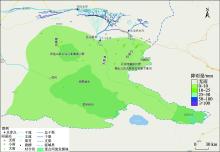
Fig. 10
Rainfall forecast for Shule River Basin on July 13, 2024"

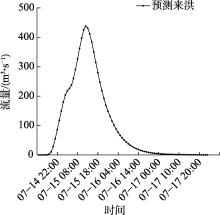
Fig. 11
Flood inflow forecast for Changma Reservoir on July 14, 2024"

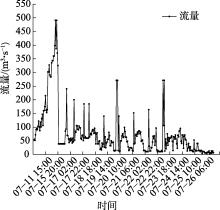
Fig. 12
Real-time flow monitoring data of Changma Reservoir"
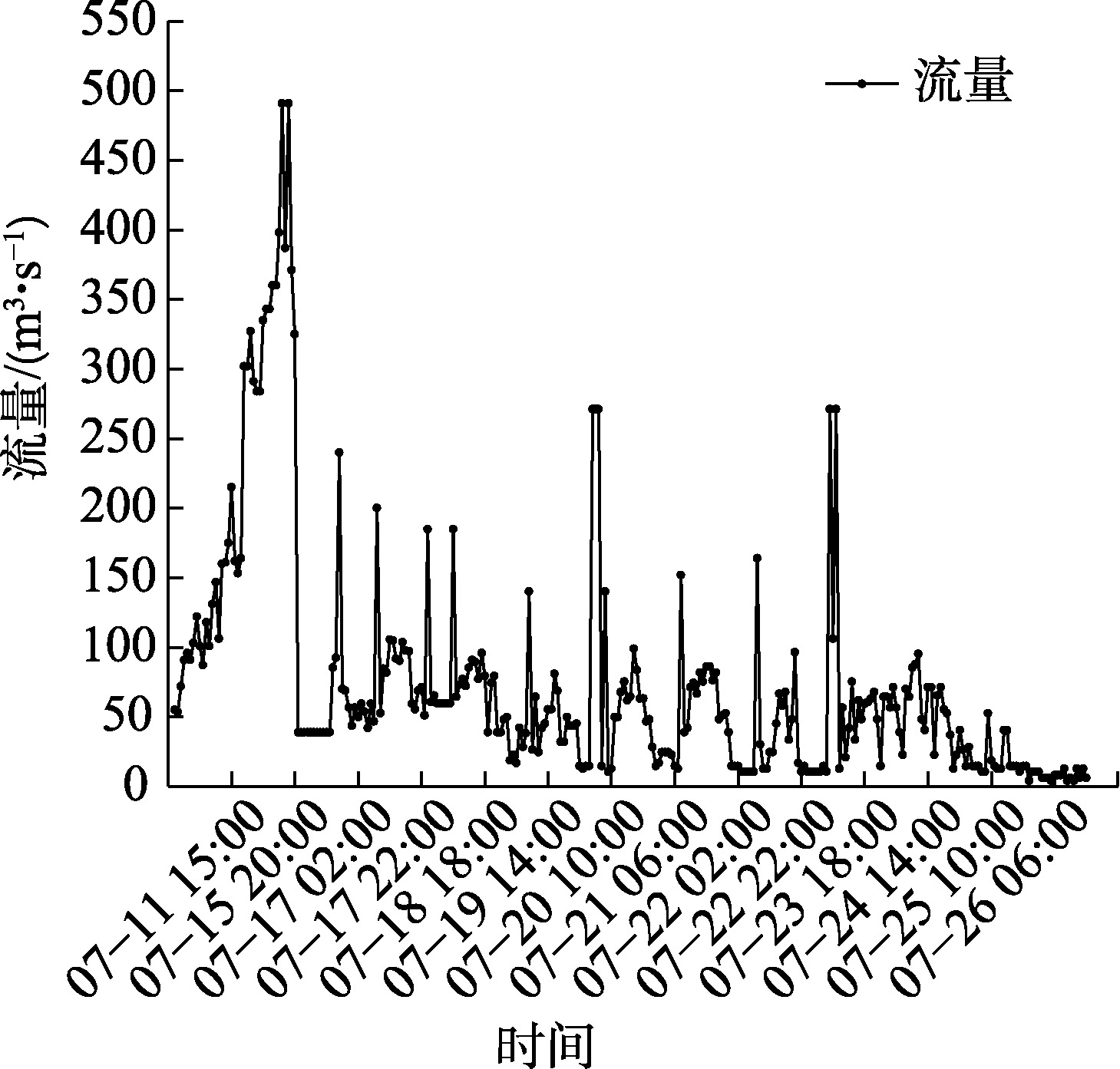
Tab. 4
Error rate of predicted-actual peak flood values of Changma Reservoir on July 15, 2024"
| 洪峰流量/(m3·s-1) | 洪峰到达时间 | 径流深/m | |
|---|---|---|---|
| 预测 | 438.03 | 7月15日12:00 | 13.01 |
| 实际 | 491 | 7月15日14:00 | 13.33 |
| 误差率/% | 10.80 | 8.33 | 1.61 |
| 规范许可误差率/% | 20 | 30 | 20 |
| [1] |
Zhang Wenxia, Clark Robin, Zhou Tianjun, et al. 2023: Weather and climate extremes hitting the globe with emerging features[J]. Advances in Atmospheric Sciences, 2024, 41(6): 1001-1016.
doi: 10.1007/s00376-024-4080-3 |
| [2] |
杨斐, 张文韬, 张飞民, 等. 1961—2022年祁连山气候特征及其变化[J]. 干旱区研究, 2024, 41(10): 1627-1638.
doi: 10.13866/j.azr.2024.10.02 |
| [ Yang Fei, Zhang Wentao, Zhang Feimin, et al. Climatic characteristics and changes in the Qilian Mountains from 1961 to 2022[J]. Arid Zone Research, 2024, 41(10): 1627-1638. ] | |
| [3] | 慕全鹏, 鲁克新, 杨光, 等. 沮河流域径流变化特征及归因分析[J]. 水力发电学报, 2022, 41(12): 80-89. |
| [ Mu Quanpeng, Lu Kexin, Yang Guang, et al. Characteristics of runoff changes in Ju River basin and attribution analysis[J]. Journal of Hydroelectric Engineering, 2022, 41(12): 80-89. ] | |
| [4] |
张存杰, 张思齐, 宁惠芳. 近60 a中国极端天气气候事件变化趋势及2023年特征分析[J]. 干旱气象, 2024, 42(4):536-552.
doi: 10.11755/j.issn.1006-7639(2024)-04-0536 |
| [ Zhang Cunjie, Zhang Siqi, Ning Huifang. Trends of extreme weather and climate events in China in recent 60 years and their characteristics in 2023[J]. Journal of Arid Meteorology, 2024, 42(4): 536-552. ] | |
| [5] | World Bank. Floods and Droughts: An EPIC Response to These Hazards in the Era of Climate Change[EB/OL]. (2021-06-17) [2025-07-22]. https://www.worldbank.org/en/news/feature/2021/06/17/floods-and-droughts-an-epic-response-to-these-hazards-in-the-era-of-climate-change. |
| [6] |
Soomro Shan-e-hyder, Hu Caihong, Boota Muhammad Waseem, et al. Assessment of the climatic variability of the Kunhar River Basin, Pakistan[J]. Water, 2021, 13(13): 1740.
doi: 10.3390/w13131740 |
| [7] |
Guo Xiaona, Cheng Jie, Yin Chenglong, et al. The extraordinary Zhengzhou flood of 7/20, 2021: How extreme weather and human response compounding to the disaster[J]. Cities, 2023, 134: 104168.
doi: 10.1016/j.cities.2022.104168 |
| [8] |
Hirabayashi Yukiko, Mahendran Roobavannan, Koirala Sujan, et al. Global flood risk under climate change[J]. Nature climate change, 2013, 3: 816-821.
doi: 10.1038/nclimate1911 |
| [34] |
Younos T. Curve number hydrology: State of the practice[J]. Journal of the American Water Resources Association, 2009, 45(4): 1063-1063.
doi: 10.1111/jawr.2009.45.issue-4 |
| [35] | 夏军. 中国水文计算手册(第二版)[M]. 北京: 水利电力出版社, 2006. |
| [ Xia Jun. Hydrological Computation Manual of China[M]. 2nd ed. Beijing: Water Resources & Electric Power Press, 2006. ] | |
| [36] | 杨飞, 刘博伦, 江恩慧, 等. 基于马斯京根法的多沙河流输沙演算[J]. 人民黄河, 2023, 45(11): 39-42. |
| [ Yang Fei, Liu Bolun, Jiang Enhui, et al. Muskingum method based sediment calculations in sediment aden rivers[J]. Yellow River, 2023, 45(11): 39-42. ] | |
| [9] | 刘荣华, 王雪梅, 刘晓婉, 等. 暴雨山洪模拟与预警模型研究进展与展望[J]. 中国防汛抗旱, 2025, 35(6): 1-10. |
| [ Liu Ronghua, Wang Xuemei, Liu Xiaowan, et al. Research progress and prospects of flash flood simulation and warning models[J]. China Flood & Drought Management, 2025, 35(6): 1-10. ] | |
| [10] | 刘永强, 刘志辉. 基于Web的融雪洪水预警模型库系统研究与实现[J]. 干旱区研究, 2008, 25(1): 47-52. |
|
[ Liu Yongqiang, Liu Zhihui. Study and application of the web-based model base system for snow melt flood precaution[J]. Arid Zone Research, 2008, 25(1): 47-52. ]
doi: 10.3724/SP.J.1148.2008.00047 |
|
| [11] |
Wang X M, Zhai X Y, Zhang Y Y, et al. Evaluating flash flood simulation capability with respect to rainfall temporal variability in a small mountainous catchment[J]. Journal of Geographical Sciences, 2023, 33(12): 2530-2548.
doi: 10.1007/s11442-023-2188-5 |
| [12] |
张梅洁, 吕海深, 刘娣, 等. 耦合融雪的新安江模型在干旱区径流模拟研究[J]. 干旱区研究, 2022, 39(2): 379-387.
doi: 10.13866/j.azr.2022.02.05 |
|
[ Zhang Meijie, Lyu Haishen, Liu Di, et al. Runoff simulation in an arid area using the Xinanjiang model coupled with snowmelt[J]. Arid Zone Research, 2022, 39(2): 379-387.]
doi: 10.13866/j.azr.2022.02.05 |
|
| [13] |
Husain Najafi, Pallav Kumar Shrestha, Oldrich Rakovec, et al. High-resolution impact-based early warning system for riverine flooding[J]. Nature Communications, 2024, 15(1): 3726.
doi: 10.1038/s41467-024-48065-y pmid: 38698000 |
| [14] | 徐源浩, 邬强, 李常青, 等. 基于长短时记忆(LSTM)神经网络的黄河中游洪水过程模拟及预报[J]. 北京师范大学学报(自然科学版), 2020, 56(3): 387-393. |
| [ Xu Yuanhao, Wu Qiang, Li Changqing, et al. Simulation of the flood process in the middle reaches of the Yellow River by a long-short term memory (LSTM) neuro network[J]. Journal of Beijing Normal University (Natural Science), 2020, 56(3): 387-393. ] | |
| [15] | 刘成帅, 孙悦, 胡彩虹, 等. 考虑产流模式空间分布的流域-城市复合系统洪水预报模型[J]. 水科学进展, 2023, 34(4): 530-540. |
| [ Liu Chengshuai, Sun Yue, Hu Caihong, et al. Study on flood forecasting model of watershed-urban complex system considering the spatial distribution of runoff generation pattern[J]. Advances in Water Science, 2023, 34(4): 530-540. ] | |
| [16] |
Xu T F, Liang F. Machine learning for hydrologic sciences: An introductory overview[J]. Wiley Interdisciplinary Reviews: Water, 2021, 8(5): e1533.
doi: 10.1002/wat2.v8.5 |
| [17] |
Qi Qinglin, Tao Fei, Hu Tianliang, et al. Enabling technologies and tools for digital twin[J]. Journal of Manufacturing Systems, 2021, 58: 3-21.
doi: 10.1016/j.jmsy.2019.10.001 |
| [18] |
Xia Haishan, Liu Zishuo, Efremochkina Maria, et al. Study on city digital twin technologies for sustainable smart city design: A review and bibliometric analysis of geographic information system and building information modeling integration[J]. Sustainable Cities and Society, 2022, 84: 104009.
doi: 10.1016/j.scs.2022.104009 |
| [19] | 黄艳, 喻杉, 罗斌, 等. 面向流域水工程防灾联合智能调度的数字孪生长江探索[J]. 水利学报, 2022, 53(3): 253-269. |
| [ Huang Yan, Yu Shan, Luo Bin, et al. Development of the digital twin Changjiang River with the pilot system of joint and intelligent regulation of water projects for flood management[J]. Journal of Hydraulic Engineering, 2022, 53(3): 253-269. ] | |
| [20] | 冶运涛, 蒋云钟, 梁犁丽, 等. 数字孪生流域: 未来流域治理管理的新基建新范式[J]. 水科学进展, 2022, 33(5): 683-704. |
| [ Ye Yuntao, Jiang Yunzhong, Liang Lili, et al. Digital twin watershed: New infrastructure and new paradigm of future watershed governance and management[J]. Advances in Water Science, 2022, 33(5): 683-704. ] | |
| [21] |
贾玲, 张百祖, 牛最荣, 等. 疏勒河上游径流变化与预测分析[J]. 干旱区研究, 2022, 39(5): 1588-1597.
doi: 10.13866/j.azr.2022.05.23 |
|
[ Jia Ling, Zhang Baizu, Niu Zuirong, et al. Analysis of runoff variation and prediction in the upper reaches of the Shule River[J]. Arid Zone Research, 2022, 39(5): 1588-1597. ]
doi: 10.13866/j.azr.2022.05.23 |
|
| [22] |
季宗虎, 孙栋元, 牛最荣, 等. 疏勒河流域降水变化特征研究[J]. 干旱区研究, 2023, 40(10): 1583-1594.
doi: 10.13866/j.azr.2023.10.05 |
|
[ Ji Zonghu, Sun Dongyuan, Niu Zuirong, et al. Study on precipitation variation characteristics in Shule River Basin[J]. Arid Zone Research, 2023, 40(10): 1583-1594. ]
doi: 10.13866/j.azr.2023.10.05 |
|
| [23] | 李毅, 黄诗峰, 臧文斌, 等. 基于虚拟地理环境的数字孪生流域防洪应用技术探讨[J]. 遥感学报, 2024, 28(5): 1330-1339. |
|
[ Li Yi, Huang Shifeng, Zang Wenbin, et al. Discussion on flood control application technology of digital twin basin based on virtual geographic environment[J]. National Remote Sensing Bulletin, 2024, 28(5): 1330-1339. ]
doi: 10.11834/jrs.20233022 |
|
| [24] | 中华人民共和国水利部. 数字孪生水利工程建设技术导则[R]. 北京: 中华人民共和国水利部, 2022. |
| [ Ministry of Water Resources of the People’s Republic of China. Technical Guidelines for the Construction of Digital Twin Water Conservancy Projects[R]. Beijing: Ministry of Water Resources of the People’s Republic of China, 2022. ] | |
| [25] | 中华人民共和国水利部. 数字孪生流域建设技术大纲[R]. 北京: 中华人民共和国水利部, 2022. |
| [ Ministry of Water Resources of the People’s Republic of China. Technical Outline for the Construction of Digital Twin River Basins[R]. Beijing: Ministry of Water Resources of the People’s Republic of China, 2022. ] | |
| [26] | 周文慧, 钞小静. 黄河流域数字基础设施、经济发展韧性与生态环境保护的耦合协调发展分析: 基于三元系统耦合协调模型[J]. 干旱区资源与环境, 2023, 37(9): 1-9. |
| [ Zhou Wenhui, Chao Xiaojing. Coupling coordinated development of digital infrastructure, economic resilience and environmental protection in the Yellow River Basin: An approach of ternary system coupling coordination model[J]. Journal of Arid Land Resources and Environment, 2023, 37(9): 1-9. ] | |
| [27] | Li Wenxue, Kou Huaizhong. Thoughts on the construction of digitaltwin Yellow River in the new stage[J]. China Flood & Drought Management, 2022, 32(2): 27-31. |
| [28] | 王井腾, 孙祥鹏, 张文明, 等. 珠江防汛“四预”平台建设及应用[J]. 中国水利, 2022(22): 39-42. |
| [ Wang Jingteng, Sun Xiangpeng, Zhang Wenming, et al. Construction and application of “four pre” platform for the Pearl River flood control[J]. China Water Resources, 2022(22): 39-42. ] | |
| [29] | 刘昌军, 吕娟, 任明磊, 等. 数字孪生淮河流域智慧防洪体系研究与实践[J]. 中国防汛抗旱, 2022, 32(1): 47-53. |
| [ Liu Changjun, Lyu Juan, Ren Minglei, et al. Research and application of digital twin intelligent flood prevention system in Huaihe River Basin[J]. China Flood and Drought Management, 2022, 32(1): 47-53. ] | |
| [30] | 赵杏英, 毛肖钰, 徐红权, 等. 数字流域多尺度空间地理信息模型构建及应用——以钱塘江流域为例[J]. 人民长江, 2021, 52(Suppl. 2): 293-297. |
| [ Zhao Xingying, Mao Xiaoyu, Xu Hongquan, et al. Establishment and application of multi-scale geography information model for digital river basin: Case of Qiantangjiang River basin[J]. Yangtze River, 2021, 52(Suppl. 2): 293-297. ] | |
| [31] | 张建新. 数字孪生技术在疏勒河流域的应用和探讨[J]. 中国水利, 2023(23): 58-62. |
| [ Zhang Jianxin. Application and discussion of digital twin technology in the Shule River Basin[J]. China Water Resources, 2023(23): 58-62. ] | |
| [32] | 张永明, 蒲秉华, 王鹏全, 等. 兰州新区SCS径流模型改进与应用研究[J]. 人民黄河, 2021, 43(3): 24-28. |
| [ Zhang Yongming, Pu Binghua, Wang Pengquan, et al. Improvement and application of SCS runoff model in Lanzhou new district[J]. Yellow River, 2021, 43(3): 24-28. ] | |
| [33] | U.S. Department of Agriculture, Soil Conservation Service. National Engineering Handbook, Section 4: Hydrology[M]. Rev. ed. Washington, D.C.: USDA-SCS, 1972. |
| [1] | HUANG Zhipu, WANG Junde, CHENG Yufei, ZHOU Haohao, ZHANG Zhan, BAO Zhiwei, YANG Chuanguo. Land use change and future habitat quality evaluation in the ecologically fragile areas of the middle and lower reaches of the Shule River [J]. Arid Zone Research, 2025, 42(11): 2104-2116. |
| [2] | WANG Shiwei, SUN Dongyuan, ZHOU Min, WANG Yike, WANG Xiangbin, JI Zonghu, ZHANG Wenrui, WU Lanzhen. Temporal and spatial variation of temperature in the Shule River Basin from 1951 to 2020 [J]. Arid Zone Research, 2023, 40(7): 1065-1074. |
| [3] | WANG Xueliang,CHEN Rensheng,LIU Junfeng,HAN Chuntan. Changes in runoff from major rivers and analysis of its causes in the Shule River Basin from 1956-2021 [J]. Arid Zone Research, 2022, 39(6): 1782-1792. |
| [4] | WANG Fei, ZHU Zhong-yuan, ZHANG Peng, WANG Hui-min, ZHANG Lu. Application of A Snowmelt Runoff Model in the Xilin River Basin [J]. Arid Zone Research, 2019, 36(3): 575-581. |
| [5] | GUO Xiao-juan, ZHOU Yan-yan, GUO Jian-jun, CHEN Guan-guang, YUE Dong-xia. Inversion of Soil Moisture Content in the Shule River Basin [J]. Arid Zone Research, 2018, 35(6): 1317-1326. |
| [6] | CHEN Xinchi,ZHANG Liping,SHAN Lijie,YANG Wei,JIA Junwei. Flood Prediction Models and Their Application for the Medium and Small Rivers in Alpine Area in Xinjiang [J]. , 2017, 34(6): 1426-1435. |
| [7] | Muattar Saydi, DING Jian-li, Abudu Shalamu, CUI Chun-liang, Anwar Kadir. Simulation of Snowmelt Runoff in the Catchments on Northern Slope of the Tianshan Mountains [J]. Arid Zone Research, 2016, 33(3): 636-642. |
|
||
